

Curated honest travel guides, destination inspiration, and practical ideas to help you explore more and plan smarter
Travel Beyond the Obvious
About Me
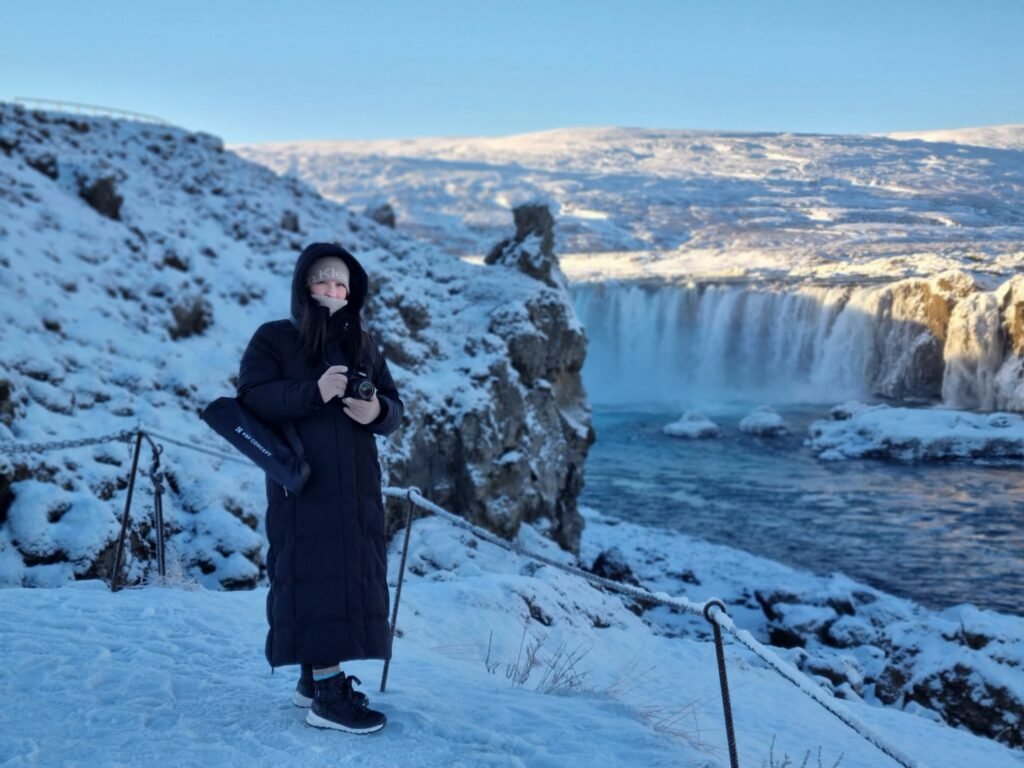
Hi, I’m Nina 👋
I’m a travel blogger with a passion for discovering the hidden side of every destination – the kind of places that make you feel like you truly belong there, even if just for a moment.
With over 30 countries visited, I’ve learned that the best travel experiences rarely come from guidebooks. They come from wandering down the wrong street, accepting a stranger’s dinner invitation, or stumbling upon a local festival nobody warned you about.
BotlyTravel started as a personal archive — a way to capture everything I kept discovering and didn’t want to forget. It grew into something I hope helps you travel smarter.
Here you’ll find honest guides, real costs, and the kind of tips you’d only get from someone who’s actually been there.
Nina GL – I don’t just visit places. I try to understand them.
What this blog is about and how will helps you
BotlyTravel is a personal travel blog built on real trips and honest experience – not press releases or sponsored itineraries. You’ll find destination guides, hotel recommendations, practical tips, and seasonal travel ideas for Europe and beyond. Some links on this site are affiliate links, which help keep the blog running at no extra cost to you.
Honest travel guides, real costs, and practical tips to plan your next trip.
- ✈️ 30+ countries explored first-hand – no press trips, no sponsored itineraries
💬 Honest reviews – the good, the bad, and the “probably skip this one”
🍽️ Culture-first travel – local food, local habits, local stories
💸 Real costs – because budgets are real and vague advice helps no one
Where Do You Want to Go?
- 🇨🇭 Switzerland
- 🇹🇷 Turkey, Istanbul
- cz Prague
- 🇮🇸 Iceland, Akureiry
- Italy, Venice
- 🇧🇬 Bulgaria, Sunny beach
- 🇲🇦 Morocco, Tanger
- 🇫🇷 Monaco & Nice
Fresh From the Road
The latest guides, tips, and travel stories
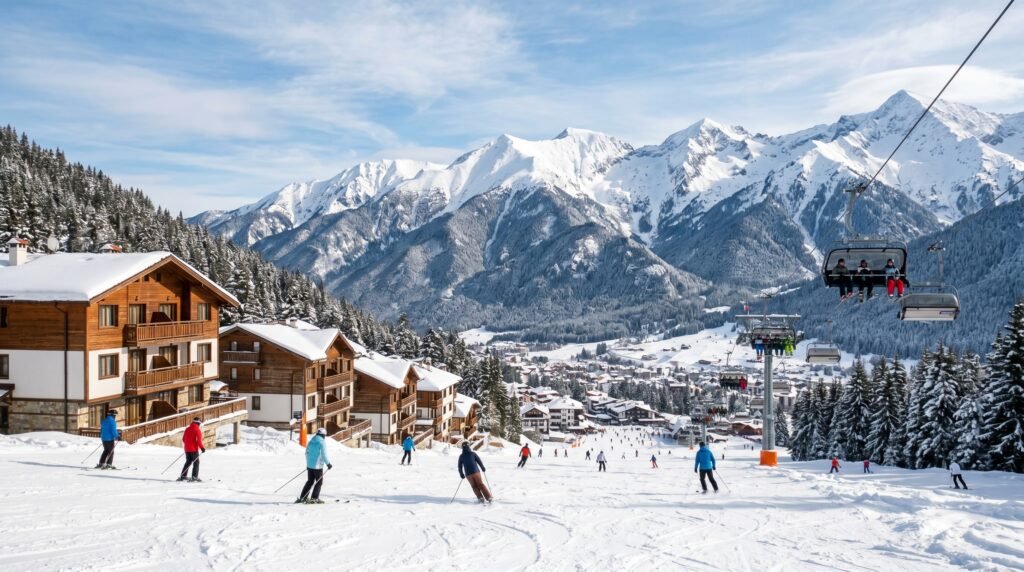
Ski-in Ski-out in Bulgaria: Where It Really Exists
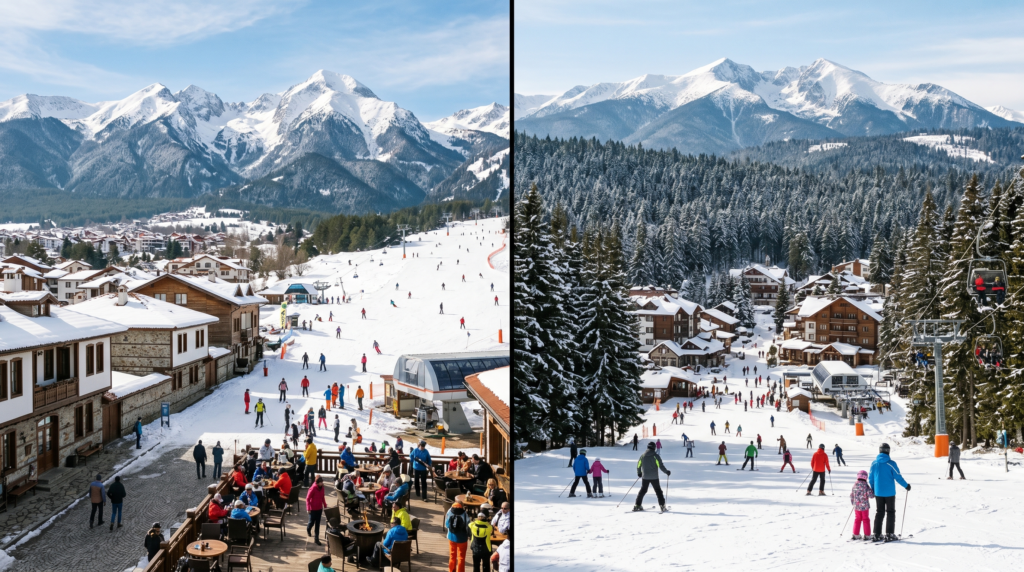
Bansko or Borovets? Which Bulgarian Ski Resort to Choose
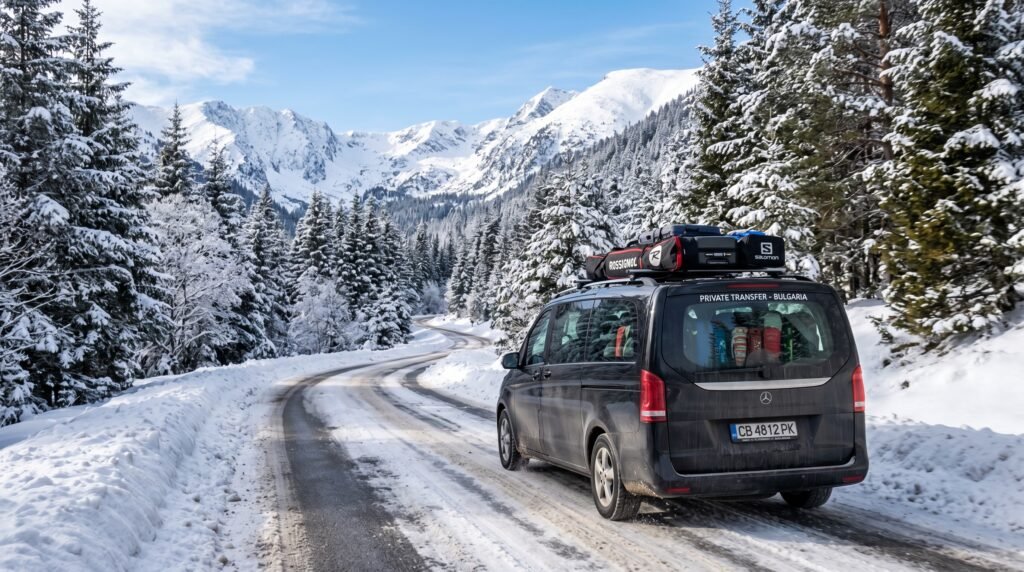
When to Ski in Bulgaria: Honest Month-by-Month Guide
Why trust BotlyTravel
Popular travel questions
🔥 1. Is travel expensive in 2026?
Answer:
Costs are higher than pre-2020, mainly due to fuel and demand, but smart planning offsets it. Budget destinations (Eastern Europe, parts of Asia) and short trips (2-4 days) keep costs manageable.
Bottom line: travel isn’t “too expensive”- it rewards planning.
With honest travel guides, I aim to share the unique experiences and hidden gems that make every trip unforgettable.
✈️ 2. How can I find cheap flights in 2026?
Answer:
- Book 1–3 months ahead (Europe) / 2-6 months (long-haul)
- Fly mid-week (Tue-Wed)
- Use flexible dates + nearby airports
- Set price alerts (Google Flights, Skyscanner)
Bottom line: consistency beats “secret hacks.”
🌍 3. Where should I travel in 2026?
Answer:
The trend is shifting to less crowded, better-value places:
- Eastern Europe (Romania, Albania, Bulgaria)
- Secondary cities (vs. capitals)
- Nature-focused destinations
Bottom line: value + fewer crowds wins.
💸 4. What is the cheapest way to travel?
Answer:
- Travel off-season
- Use low-cost carriers + light luggage
- Stay outside city centers
- Combine flights + public transport
Bottom line: flexibility = savings.
🧳 5. How much money do I need for a trip?
Answer:
A simple rule:
- 40% accommodation
- 30% transport
- 30% food & activities
Typical daily ranges:
- Budget: €50–80
- Mid-range: €100–180
- Premium: €250+
Bottom line: destination matters more than duration.
🏝️ 6. Is it better to travel off-season?
Answer:
Yes. You’ll get:
- Lower prices
- Fewer crowds
- Better availability
Trade-off: some weather variability and limited services in certain areas.
Bottom line: best value for most travelers.
🤖 7. Can AI help plan my trip?
Answer:
Yes – AI is widely used for:
- Itineraries
- Budget estimates
- Local tips and translations
It saves time but still needs human judgment for bookings and logistics.
Bottom line: use AI for planning, not final decisions.
🧠 8. How do I choose the right destination?
Answer:
Decide based on:
- Budget
- Travel goal (relaxation, culture, adventure)
- Season/weather
Simple filter:
If budget is tight → choose value destinations
If time is limited → choose closer locations
Bottom line: match destination to purpose.
🌡️ 9. What is a “coolcation”?
Answer:
A “coolcation” means traveling to cooler climates (e.g., Norway, Iceland, Northern Europe) to avoid extreme heat.
Why it’s trending: climate + comfort.
Bottom line: expect rising demand in cooler regions.
🧭 10. Should I plan everything or travel spontaneously?
Answer:
Best approach = hybrid:
- Book flights + first nights
- Leave room for flexibility
Overplanning kills experience; underplanning increases cost.
Bottom line: structure + flexibility.